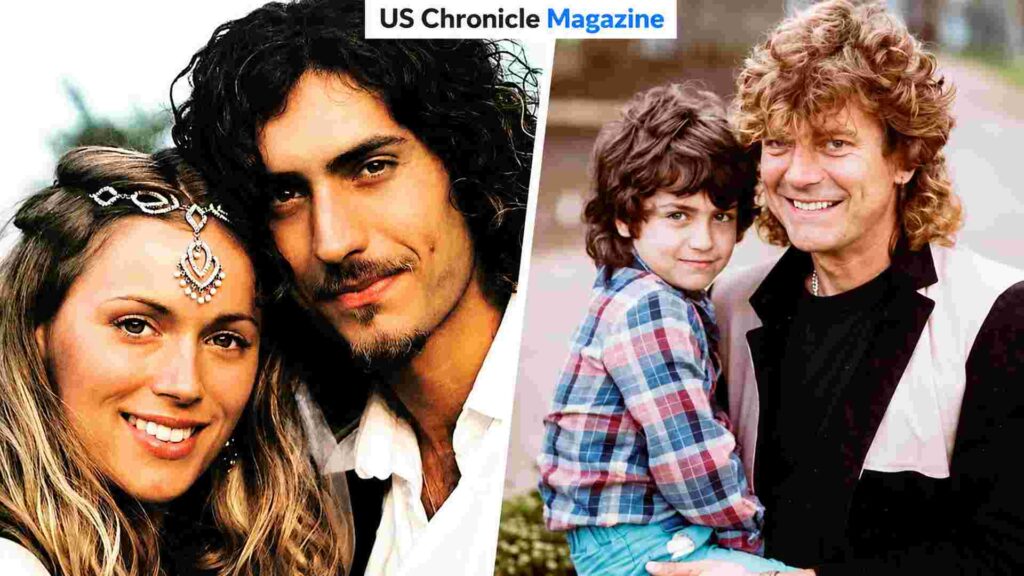
Logan Romero Plant is a British rock singer and business founder. He is the son of Led Zeppelin star Robert Plant and the man who started Beavertown Brewery in London. Before he opened the firm in 2011, he sang with Sons of Albion. He led Beavertown through years of growth, then left the CEO job after Heineken bought the whole firm in 2022.
In this article, we’ll look at his time in music, the US trip that led to a new idea, and the steps he took to build Beavertown. We’ll also cover the firm’s growth, the Heineken deals, his family ties, and his move out of daily control.
Let’s see how a man raised around rock music found a new path and turned a small plan into a major London brand.
Logan Romero Plant Quick Facts
- Known for: Founding Beavertown Brewery
- Father: Robert Plant of Led Zeppelin
- Past band: Sons of Albion
- Founded Beavertown: 2011
- First home for the firm: Duke’s Brew & Que in East London
- Major investment: Heineken bought a stake in 2018
- Full sale: Heineken took full control in 2022
- Role after the sale: Adviser, not CEO
Who Is Logan Romero Plant?
Logan Romero Plant grew up in England’s West Midlands, where music and local pubs were part of life. His father was a world-famous rock singer, yet Logan had his own plans. He went into music, played shows, and spent years on the road.
A trip to New York changed what he wanted to do next. He found a mix of food and craft beer that gave him a new idea. Back in London, he learned how to brew and took steps to open a small place with food and beer.
The new business grew far beyond that first site. Its bold art and strong name made it easy to spot. He later worked with a much larger brewer to pay for new sites and more room to grow.
His Early Life in the Black Country
The Black Country is a part of England’s West Midlands with strong links to local pubs and music. Plant said that visits to pubs with his father were a part of his youth. Those trips gave him an early taste of the scene he would one day work in.
He told The Guardian that, as he got older, he went to pubs with his father and friends. He liked the mix of people, food, and drink. He even dreamed of owning a brewery while still young.
But he did not start there. Music came first. The old dream stayed with him while he spent years writing songs and going on tour. That makes the move into business less odd than it may seem at first.
Ten Years in Rock Music
Plant was the lead singer of Sons of Albion, a rock band that played shows in the United States. He told interviewers he spent about ten years in music before he left it to pursue a new idea.
Going on tour meant seeing new cities and meeting fans. It also meant time between shows, when the band could try local food and explore new places. These offstage stops would soon shape his next job.
His work as a singer gave him a feel for brands and fans. He knew a group needed its own sound and style. He would later use that love of art and identity in the brewery, though the firm also needed a team with business and brewing skills.
A Stop in Brooklyn Starts a New Dream
While on tour, Plant went to Fette Sau in Brooklyn after a show. The place served barbecue with local craft beer. The mix stood out to him. He liked how the food and drink worked side by side.
In a first-person interview with The Guardian, he said this visit helped spark the idea for a new place in London. He left the band, bought books, and began to make small batches at home.
That is an important part of his path. His next career did not start with a vast factory or a big sale. It began with a taste of something new and a wish to try it for himself.
How Beavertown Began
In 2011, Plant planned Duke’s Brew & Que, a food venue in Haggerston, East London. Beavertown was the small brewery at that site. Its name came from an old nickname for the nearby De Beauvoir Town area.
At first, he could work with small batches and test what people liked. Yet a small site has limits. As the brand grew, it moved through sites in Hackney Wick and Tottenham Hale.
Each move meant a new kind of task. The team had to make more beer, reach more places, and keep the taste steady. It also had to build a name that people would know in a busy market.
The Look That Made the Brand Stand Out
Bright art became a major part of Beavertown’s appeal. Its cans used vivid drawings and bold names, including Gamma Ray and Neck Oil. This look made the brand easy to spot.
Nick Dwyer helped shape that style. He had worked at Duke’s Brew & Que and studied at Central Saint Martins. As a creative lead, he gave the brand its strong visual feel.
The story shows that Plant did not build the firm alone. A founder may set the goal, but designers, staff, and other experts give it life. The art drew the eye, while the team had to make the business work day after day.
The 2018 Heineken Deal
By 2018, Beavertown had plans for a much larger site. Heineken paid a reported £40 million for a minority stake. The new funds gave the team a way to build more space and make more beer.
The deal drew mixed views from the craft beer scene. Some people saw it as a way for a small brand to grow. Others feared a large firm could change its character. Plant spoke about those concerns in a London Evening Standard interview.
At that stage, Plant and his wife Bridget still held control. That detail matters because a minority stake is not the same as owning the whole business. Full ownership came four years later.
Beaverworld and the Test of 2020
Beavertown opened its new Beaverworld site in Enfield in 2020. The plant had more room and much larger tools. It marked a new scale for a firm that had started with small batches in London.
The pandemic made the same year hard. Pubs and bars closed, so the company lost much of its usual trade. Plant said in a 2020 interview that about 85 percent of its volume fell away.
The team had to use other ways to reach buyers. Shops and online sales became more important. It was a sharp test for a growing business and showed how fast a firm’s plans can change when its main sales route shuts down.
The Tottenham Hotspur Stadium Site
Beavertown also opened a small brewery at the new Tottenham Hotspur Stadium in 2019. The football club shared news of the launch, and Plant took part in the event.
A stadium brings fans together on match days. That made it a new place for the brand to be seen. It was not just another brewing site, but part of the club’s wider matchday plans.
The link helped Beavertown reach people who might not have visited its other sites. It also placed a growing local firm in one of London’s best-known sports venues.
Why He Left the CEO Role
On September 7, 2022, Heineken UK said it had bought the rest of Beavertown. Plant stepped down as CEO and moved into an advisory role. Jochen Van Esch became the new managing director.
In its official announcement, Heineken said Beavertown would keep its own teams for sales, brewing, and other work. The firm was now under full Heineken ownership, though it still had its own brand.
This change helps answer what Plant did after the sale. He did not remain CEO. He had a new role as an adviser. The public deal does not, by itself, tell us his daily work or any later private plans.
Founder, Owner, and CEO Are Not the Same
These three words can cause confusion. A founder starts a firm. An owner holds a share in it. A CEO leads its daily work. The same person may do all three jobs, but that need not last.
Plant founded Beavertown and ran it through much of its growth. Heineken first bought part of the company in 2018, then bought the rest in 2022. He gave up daily leadership when that second deal took place.
That means an old interview may call the firm independent, while a new report calls it part of Heineken. Both can be right for their dates. The key is to place each claim in the right year.
His Family and Life Beyond Work
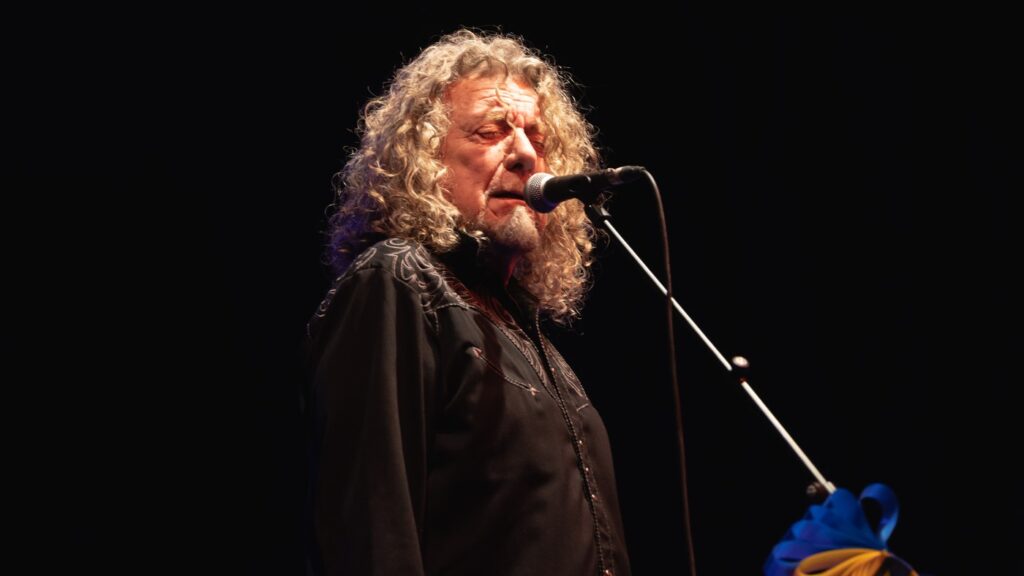
Plant’s father is Robert Plant, the voice of Led Zeppelin. Logan has spoken about the times they spent in pubs and how those visits shaped his tastes. He has also said that seeing new places while on tour helped him learn.
His wife Bridget was part of the company’s early years. In 2018, he said the two of them still held control after Heineken’s first deal. In 2020, he spoke about caring for their children while they both worked from home.
These details give a view of the people around him without turning his family into gossip. His own words and the facts of the company tell a much stronger story than guesses about wealth or private life.
The Career Timeline
| Before 2011 | Sings and tours with Sons of Albion |
| 2011 | Starts Beavertown at Duke’s Brew & Que |
| 2018 | Heineken buys a minority stake |
| 2019 | Beavertown opens a site at Tottenham Hotspur Stadium |
| 2020 | Beaverworld opens in Enfield |
| 2022 | Heineken takes full ownership and Plant steps down as CEO |
The timeline shows how one career led into the next. His US shows helped lead him toward craft beer. A small London site then became a much larger firm.
It also clears up a common mix-up about the Heineken deals. The first was a part sale. The second was a full sale. The change in who owned Beavertown also changed Plant’s job.
Final Thoughts
Logan Romero Plant made his own name after growing up close to rock fame. He sang in a band, found a new idea on the road, and built a London firm from small beginnings.
His work brought together food, design, and a strong sense of place. A good idea was only the start. It took a team, years of effort, and hard choices to make the company grow.
His father made records heard around the world. Logan chose a new stage for his own creative work. Beavertown is the clearest mark of that choice.
Frequently Asked Questions
Was Logan Plant in a band before Beavertown?
Yes. He sang with Sons of Albion and toured in the United States before he left music to build the brewery.
Does Logan Plant still own Beavertown?
Heineken UK took full ownership in September 2022. Plant left the CEO role and became an adviser.
Where did the name Beavertown come from?
The name came from an old nickname for De Beauvoir Town in East London, near the firm’s first site.
You may also read: Charles Larkey: The Bass Player Behind Carole King’s Sound.