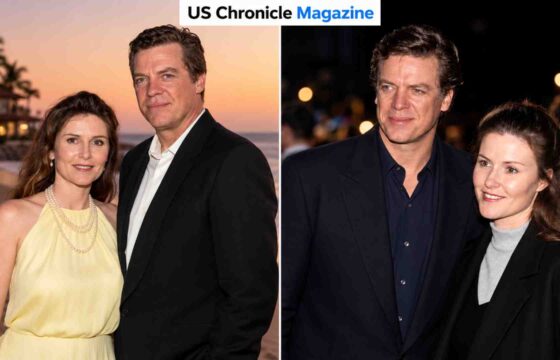
Charles Larkey is an American bass guitarist known for his work with Carole King, the Myddle Class, and the City. He played on King’s landmark 1971 album Tapestry, where the official credits list him on electric bass and string bass. He was also King’s second husband. His recording and concert work gives him a place in the story of American pop and rock music beyond their marriage.
In this article, we’ll explore his early bands, his work with the City, and his bass playing on King’s albums. We’ll also look at his live shows, other music credits, and his marriage to the singer.
Let’s follow his path from a 1960s rock group to the studio and stage, where his bass helped support songs heard by millions.
Quick Facts
- Full name: Charles Larkey
- Profession: Bass guitarist and recording musician
- Known for: The Myddle Class, The City, and recordings with Carole King
- Former spouse: Singer-songwriter Carole King
- Notable instrument: Electric and acoustic bass
- Key albums: Writer (1970), Music (1971), and Fantasy (1973)
- Concert credit: Carole King’s 1971 Carnegie Hall concert
Who Is Charles Larkey?
Charles Larkey is an American bass player known for his work with singer-songwriter Carole King. He played in the 1960s band the Myddle Class, helped form the group the City, and later recorded bass parts on several of King’s albums. He was also her second husband. His studio work helped shape music that still has a place in American pop history.
Many readers discover his name while looking into King’s marriages. But he was a working musician before they wed. His credits span rock, pop, and the more personal singer-songwriter sound that grew popular in the early 1970s.
The clearest way to know his career is through the records themselves. Album credits show where he played and who worked beside him. They also give a much firmer picture than the personal details shared on many short biography sites.
How the Myddle Class Put Him in the Music Scene
In the 1960s, the Myddle Class was part of a growing rock scene in New Jersey. The group recorded for Tomorrow Records, a small label linked to Carole King, Gerry Goffin, and writer Al Aronowitz. The group gave its players a way into a changing music business.
Charles Larkey played bass in the band. The bass guitar gave the songs a low, steady line beneath the voices and guitars. In a small rock group, that sound helps hold the song together even when listeners do not notice it at first.
The group was active at a time when rock bands were trying new styles. Some drew from folk, others from soul and rhythm and blues. A bassist had to listen closely and support the song, rather than try to take over every part.
The PBS American Masters history of Carole King’s music identifies the bassist as a Myddle Class member. It also links the band to the Tomorrow label and the musicians who would later work on King’s records.
The Move West and the Band Called the City
By 1968, King was making a major change in her life and work. Her writing team with Gerry Goffin had ended, and she began building a career as a singer. She moved to the West Coast, where a new music scene was taking shape.
The singer, Danny Kortchmar, and Charles Larkey formed a trio called the City. Kortchmar played guitar, while the new band’s music placed King’s songs and voice at the center. The bass helped tie the parts together.
The City recorded Now That Everything’s Been Said. The album did not become a major hit at the time, and the band did not turn into a long-running touring act. But the record marked an important step toward King’s later solo career.
Some songs from the album found new listeners through other artists. That shows how a record can have value even when its first release does not sell well. The City is now part of the story of how King’s early solo sound took shape.
What His Bass Added to Carole King’s Early Records
A great pop song needs more than a strong melody. The rhythm section gives it movement and helps each verse lead to the next. A bass player may use a short line, a held note, or a gentle change in pace to make the words feel right.
Charles Larkey became part of that sound during King’s early album years. On Writer, released in 1970, he is credited with Fender bass. The album also brought together players such as Kortchmar, Joel O’Brien, and James Taylor.
The band did not need to sound loud to carry emotion. King’s music left space for the singer and the words. The bass often served the larger song, working with drums and guitar rather than competing with them.
That approach is useful to remember when reading his credits. A low note might not stand out like a guitar solo, yet it can change how the whole track feels. Session players often make their mark in these quiet ways.
His Role on the 1971 Album Music
King released Music in 1971, following the huge response to Tapestry. The new album included songs such as “It’s Going to Take Some Time,” “Sweet Seasons,” and “Brother, Brother.” It continued her mix of personal lyrics and warm arrangements.
The official Carole King discography names Charles Larkey on both electric and acoustic bass. It also lists other players, including Russ Kunkel, Danny Kortchmar, James Taylor, and Ralph Schuckett.
Electric and acoustic bass can give a track different kinds of weight. Electric bass often makes a clear, firm line. An acoustic instrument can sound rounder and softer. The album credits confirm that he worked with both, though they do not map every note to a single instrument.
His name appears alongside musicians who played on many well-known records. They were helping King build a sound that felt close to the listener. Their job was to let each song lead, not to turn it into a display of technique.
The Carnegie Hall Concert and Live Performance
On June 18, 1971, King gave a concert at Carnegie Hall in New York City. The event later became a live album, released in 1996. It captures a moment when her work as a solo performer was reaching a much wider audience.
The concert album lists a small group of performers. King sang and played piano, Kortchmar played guitar, Charles Larkey played bass, and James Taylor also appeared. The lineup gave the show an intimate feel.
Live playing calls for a different kind of attention from recording in a studio. Musicians must respond to the singer and each other in real time. A bass line that stays calm and clear can help keep the performance moving.
This concert credit is one of the best ways to place him in a real musical moment. He was not simply a name in a family story. He was onstage as part of a working group at a major New York venue.
More Recording Work During the 1970s
His career did not stop with one album or concert. He also played on later King records, including Fantasy in 1973. That release used a larger group of musicians and a wider range of sounds than some earlier recordings.
Charles Larkey is credited with both string bass and electric bass on Fantasy. The record also names players on horns, drums, guitar, and strings. These credits show how much coordination a large studio session can require.
The role of bass changes when an arrangement grows. With many instruments in the mix, the low notes must leave room for other sounds. A player helps the song stay clear by choosing when to be strong and when to hold back.
Later discographies show more recording credits across the years, including work outside King’s albums. His wider body of credits makes it clear that he continued to work as a musician. Each credit is stronger evidence than guesses about a fixed job title or private business.
A 1973 Montreux Performance
Another public record of his live work comes from the Montreux Jazz Festival in 1973. King performed with a larger band at the Swiss event. The concert was later issued as Live at Montreux 1973.
Charles Larkey is listed as the bass player. The band also included drummer Harvey Mason, guitarist David T. Walker, and players on horns and keyboards. Their lineup could support a fuller stage sound than a small trio.
The Montreux recording is useful because it offers more than a list of studio albums. It shows the performer in a band built to play King’s songs before a live audience. The setting was different from Carnegie Hall, but the need to support the singer remained the same.
Live albums can also help listeners hear the parts inside a familiar song. A change in tempo or a longer instrumental break may make the bass easier to follow than it is on the studio version.
Marriage to Carole King and Their Place in Music History
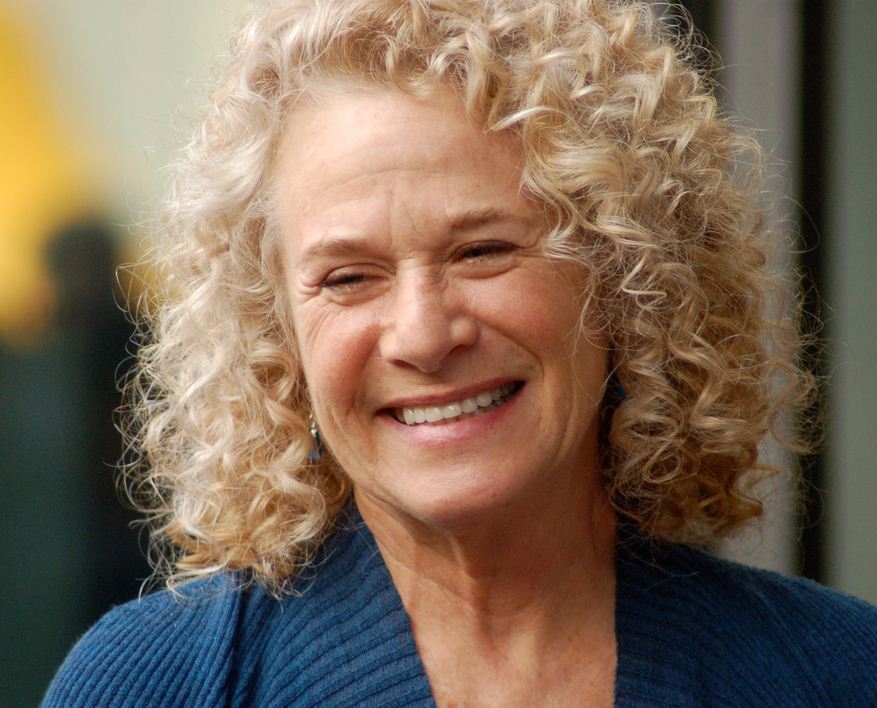
King had previously been married to her songwriting partner, Gerry Goffin. After their marriage ended, she married Charles Larkey. Their lives overlapped during a period when she was leaving the songwriting world of New York and becoming a solo performer in California.
The couple later divorced in 1976. Their marriage is often discussed because King’s life and work have been the subject of books, interviews, and music documentaries. Yet the records they made together are an equally important part of the history.
It is easy to turn a relationship into a simple story of success or failure. The facts support a more careful view. The marriage ended, while music made during those years continued to be heard by new audiences.
His place in the story is therefore both personal and professional. He was a husband during part of King’s rise, and he was also a player with recording credits. One fact does not cancel out the other.
Why His Work Still Matters
The early 1970s brought a style of popular music that often felt direct and personal. Instead of large show bands, many performers used smaller groups with clear guitar, piano, drums, and bass parts. This let listeners focus on a singer’s voice.
Charles Larkey worked in that setting. His credits on Writer, Music, and other albums connect him to recordings that helped define the period. The bass was part of the steady ground beneath King’s songs.
There is also a wider lesson in these credits. Popular records are made by teams. Audiences may remember one famous name, but engineers, players, writers, and producers all help shape what finally reaches the radio.
Remembering his role gives a more complete picture of how the music was made. It also helps younger listeners find a path from a favorite singer to the other artists and players behind the sound.
Final Thoughts
The strongest part of this story is found in the music itself. A bass player may be easy to miss in a photo, but the work remains in the recordings. The credits offer a clear record of that contribution.
Charles Larkey was part of the Myddle Class, helped form the City, and played on key Carole King projects. His marriage to the singer is one fact in a career that also deserves to be heard.
When an old song comes on, there is more than one life behind it. Looking at the people who played the music can make a familiar recording feel new again.
Frequently Asked Questions
Was Charles Larkey the lead singer of the City?
No. The group centered on Carole King’s songs and vocals. He played bass, and Danny Kortchmar was its guitarist.
Did he write every song he played on?
No. A bass performance credit does not mean a writing credit. Songs have their own named writers, and those roles should not be confused.
Was his 1971 Carnegie Hall performance first released that year?
The concert took place in 1971, but the live album was issued in 1996. The date of the show and the date of the recording’s release are different.
You may also read: Jeffrey Hayden: The Director Behind Classic TV