Paul Ratliff was a design researcher, consultant, and later a therapist. He was also the husband of actress Maggie Siff. His work took him from E-lab to Sapient London and then into private practice. He and Siff had one daughter. Ratliff died of brain cancer in 2021.
In this article, we trace his career, marriage, and family life. We look at his own work, not just his wife’s fame. We also explain his role in a New York arts group, the illness Siff spoke about, and why some online accounts mix him up with a baseball player.
His name was known at work long before Hollywood
Many readers know Ratliff because Siff played Tara on Sons of Anarchy. Yet he had his own path. He spent years studying how people live, shop, and use things. His job was to watch real tasks, ask good questions, and help teams see what they had missed.
This field is called ethnography. It is a way to learn from daily life. A survey may tell a team what people say they do. A visit to a home or shop can show what they do in fact. The gap can lead to a better plan.
That kind of work takes skill. A good field researcher must listen and earn trust. They must note small details but not jump to quick claims. Ratliff later spoke about those skills in public. His words give us a rare look at how he saw his job.
The steps from E-lab to Sapient London
Ratliff joined E-lab in 1996. The firm worked in research and design. It was a time when more brands began to watch how people used goods and services. They wanted to find real needs, not just guess what a customer want.

He then took a senior role at Sapient in London. His title was Senior Manager of Experience Modeling. The work aimed to map how people moved through a task or service. A clear map could help a team find pain points and plan a more useful way forward.
By 2002, he was working on his own as a design and innovation consultant. His career did not start when he met Siff. The dated work record shows years of research and leadership. It also shows why his later move to mental health was more than a sudden change.
What his 2014 talk tells us about his values at work
In 2014, Ratliff gave a talk called Collateral Revelation at the EPIC conference. EPIC brings people together who study life in real settings. His talk was not just about how to gather facts. He asked what an interview can do to the person who takes part.
An open question may help a person see a habit in a new light. A field visit may bring up a thought they had not put into words. Ratliff felt that the act of research could change people. That effect was worth care, even if it was not the main goal.
The EPIC record of his talk links his ideas to close listening, care, and a wish to learn. He also helped guide the group’s short-talk program in 2016. These records show work he did with peers. They are more useful than a vague claim that he was famous.
A new course of study in his later years
Ratliff later went back to school to study counseling. Pacifica Graduate Institute listed him at a thesis event in May 2018. His work dealt with the role of mischief in therapy. It was a bold topic, and the school named Mike Elliott as his adviser.
That school record is a clear sign of a new field. In design work, the aim may be to make a service easier to use. In therapy, the aim is to help people face stress, pain, or problems in their ties with others. Both need care, but the goals are not the same.
Later work listings placed Ratliff with the Erika Malm Collective in New York. They described him as a marriage and family therapist. That job can include work with one person, a couple, or a family. It does not mean he only met married clients or worked with people in show business.
Siff gave a rare glimpse of him as a future dad
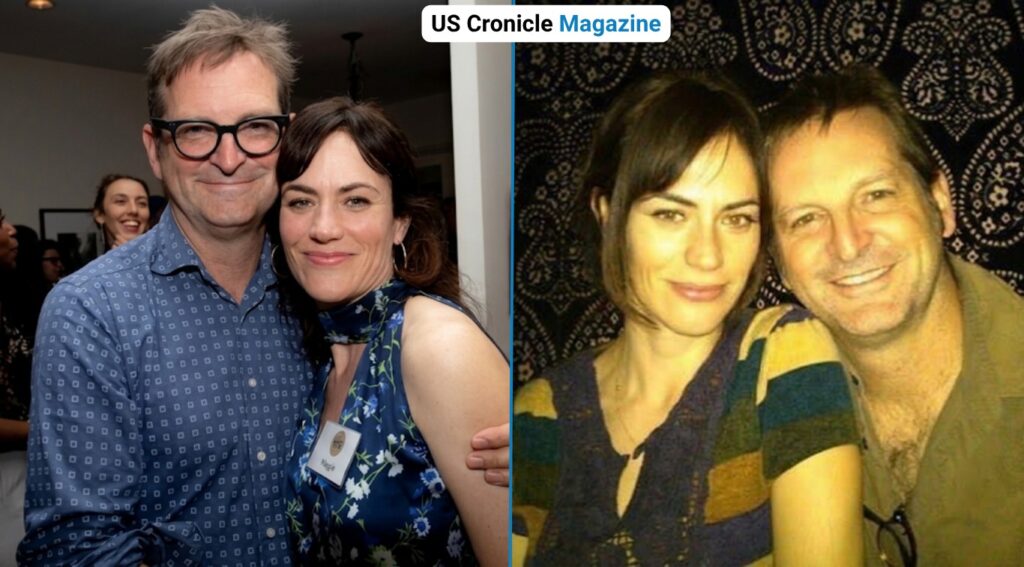
Ratliff and Maggie Siff married in 2012. She was then well known for her role on Sons of Anarchy. He worked outside the film and TV world. Their paths were quite different, but both had jobs that asked them to pay close heed to people.
In October 2013, Siff shared news of her first pregnancy with Us Weekly. She said Ratliff was sweet, fun, and quick to laugh. She spoke of how he liked games. She felt sure he would be a good dad. Those were her own words about a man she loved.
Their daughter, Lucy, was born in 2014. Siff kept much of their home life out of the news. The few facts she chose to share give a warmer view than any list of dates. They show a wife looking ahead to the joy of seeing her partner care for their child.
From travel to a family home in Brooklyn
In a later interview, Siff spoke of a time when they moved often. Ratliff had lived in London for years. The pair spent time in New York and Los Angeles. She said he liked travel and felt at ease in new places. Life was full of change.
Once they had a child, that pace began to shift. They made a more settled home in Brooklyn. The change is easy to grasp. A job can take adults from one city to the next. A school-age child brings a new set of needs and a wish for roots.
These details come from Siff’s own account, not from guesses about their home. They give a sense of a couple building a life as their work and family needs changed. They also set the scene for the much harder shift that came a few years later.
The years of illness Siff later described
During the pandemic, Ratliff was told he had brain cancer. Siff was away from the set of Billions at the time. When work began again, she was caring for him in Maine. She then had to travel to Brooklyn to film her scenes. It was a hard split.
The show’s team grouped her work days so she could spend more time at home. Siff said it was tough to leave her family, even for short trips. Yet she also found comfort in her cast and crew. Work gave her a place to feel held during a painful time.
In her interview with Moffly Media, Siff spoke about that time with care. She did not turn his illness into a set of public medical updates. Her account stays close to what it meant to care for him, go to work, and come home again.
What his death meant for their family
Ratliff died of brain cancer in 2021. Siff later spoke of how much had changed while she made Billions. Her daughter was still a baby when the show began. By its end, Siff had lost her husband. A long TV run had also marked years of joy and grief at home.
That contrast is part of the human story. Fans saw Siff play Wendy Rhoades on screen. They could not see all that she and her family faced off set. She said the people at work gave her care and room to do her job. That support mattered when life felt hard.
Ratliff was a father as well as a man with a career. His daughter was young when he died. The family has kept much of its life private. There is no need to add rumors or made-up scenes to feel the loss in the few facts Siff chose to share.
The arts group they chose to support together
Ratliff and Siff were both named as backers of Drama Club in New York. The group brings theater work to young people touched by the justice system. It gives them space to act, play, speak, and work with others. This can open a door to skills and trust.
The group later held a Promise of Play fundraiser in honor of the couple. Its site lists both names among its supporters. That is a real link to a cause beyond TV and private work. It does not tell us how much money they gave or how many hours they spent there.
The cause has a clear tie to Siff’s love of theater. It also sits near Ratliff’s work with people, though he did not state a public reason for each choice. What matters is the shared support. Their names helped draw care to a group serving young people.
A fuller way to remember Paul Ratliff
His marriage to Siff explains why many readers search for him. His own work explains much more. He asked people questions, studied how they lived, and later trained for a job in therapy. He also helped back an arts group with his wife and raised their daughter.
The best parts of his story come from records he left through his work and from Siff’s own words. Together, they show a man with a life outside the cameras. They also show a family that went through a grave loss while much of the world watched a TV show.
Paul Ratliff should be known for both parts of that life. His work had a clear path and his family had a deep bond. Neither part needs a made-up claim to make it worth reading.
Frequently asked questions
Who was Paul Ratliff?
He was a design researcher, consultant, and later a marriage and family therapist. He was married to actress Maggie Siff.
When did Paul Ratliff marry Maggie Siff?
They married in 2012. Their daughter Lucy was born in 2014.
What caused Paul Ratliff’s death?
He died of brain cancer in 2021. Siff later spoke about caring for him during the pandemic.
Did Paul Ratliff play Major League Baseball?
No. The former MLB catcher with that name was a different man.
You may also read: Mia Weier Biography: Career, Marriage and Personal Life