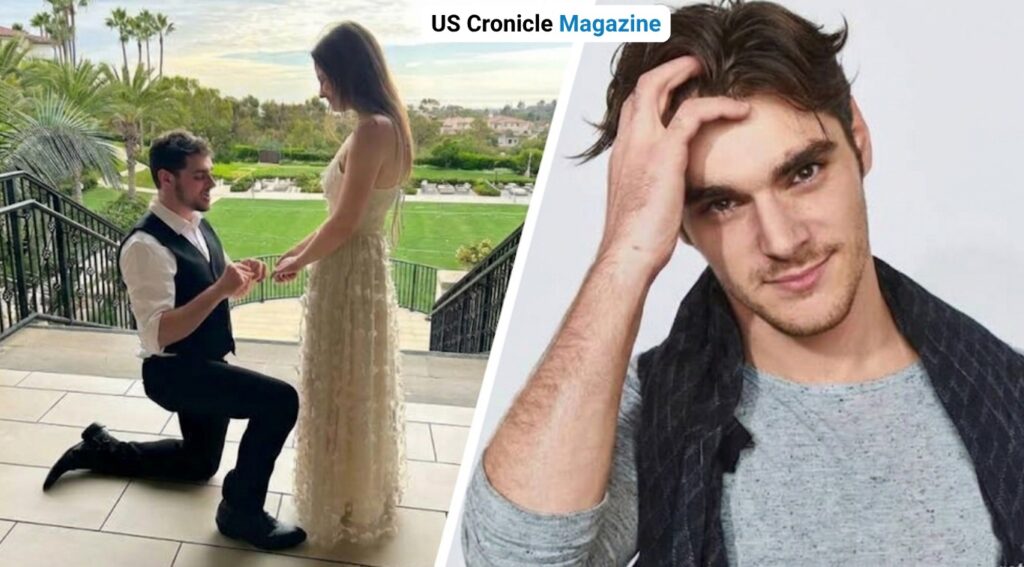
RJ Mitte played Walter White’s son in the AMC drama Breaking Bad. Away from that role, he fought for better access for disabled performers and helped grow arts programs in South Texas. The actor died on October 12, 2026, in Brownsville. He was 34. His story reaches from a hit TV series to work that gave young people new places to learn and create.
In this article, we trace Mitte’s path into acting, the way he brought Flynn to life, and the projects he chose after the show. We also look at his work for disability rights, his part in Brownsville’s arts plans, and the facts that shape his legacy.
The News Brownsville Shared in October 2026
The City of Brownsville announced Mitte’s passing in a notice dated October 13, 2026. It praised both his art and his service to the city. The Television Academy lists the same date of death. These official records confirm that he died the day before the city’s statement.
The news brought grief from many sides. Former castmates recalled years on set. Local leaders spoke about his help with art and youth programs. Fans shared scenes that had stayed with them. His work had reached people who knew him for very different reasons.
Reports from major news outlets also covered the response from his family. Those accounts are part of the public record, but his life should not be reduced to its last day. The work he did over many years gives the story its depth.
How a Young Actor Found His First Chance
Roy Frank Mitte III was born in Jackson, Mississippi, on August 21, 1992. His family adopted him soon after birth. He spent parts of his youth in Louisiana and Texas. He had cerebral palsy, which affected his movement, and worked through years of therapy as he grew.
He learned early how hard it can be to feel left out. School bullying was one issue he later raised in public talks. He wanted children to think about how they treat classmates and how much help a kind act can give.
A visit to Los Angeles with his sister in 2005 led to an offer to try acting. He began with small roles and time as an extra. That let him watch crews at work and learn how a set runs before he won a part of his own.
A Son at the Heart of Breaking Bad
AMC’s crime drama began in 2008. Bryan Cranston played Walter White, a teacher who hid a drug business from his family. Mitte took the role of Walter Jr., also called Flynn. Anna Gunn played his mother, Skyler. Their scenes gave the show much of its home life.
Flynn did not know the full truth about his dad for most of the story. He often took Walter’s side during family fights. As the lies came out, he had to face a hard choice between love and trust. Mitte made that change feel real.
The role asked for more than anger. Flynn could be funny at breakfast, upset by a fight or scared by a sudden turn. He had his own views even when adults tried to protect him. The part gave the show a young voice with real weight.
The Difference Between RJ Mitte and Flynn
Both the actor and his character had cerebral palsy. Yet Mitte’s own condition was less severe than Flynn’s. His AMC cast profile explains that difference. He changed how he moved and spoke to fit the part, just as actors shape other traits for a role.
That point matters. Casting someone with a disability does not mean asking them to play themselves. Mitte had to read the script, build a bond with other actors and show feelings that were not his own. His skill helped make Flynn a full person.
The series showed that disability need not be the main plot of every scene. Flynn had worries about school and family. He loved his parents and could be angry with them. Viewers got to know a character rather than a label.
Work He Chose When the Series Was Over
When Breaking Bad ended in 2013, Mitte kept taking parts. He appeared on the family drama Switched at Birth. Later television work included the superhero satire The Guardians of Justice. He also had credits on Vegas and This Close.
His film work ranged across genres. In Standing Up for Sunny, he took a romantic lead. Triumph explored a young man’s wish to wrestle. He also appeared in Time Share, Carol of the Bells and The Oak Room.
He tried work off screen as well. He was an executive producer on the documentary project Vanished: The Tara Calico Story. He also joined a Vivienne Westwood runway event. Those jobs showed that he wanted to keep learning new sides of the arts.
Why He Spoke Up for Disabled Artists
Mitte did not see acting as the only place where access mattered. He visited schools and took part in campaigns about bullying and jobs. He worked with United Cerebral Palsy and supported the National Disability Institute. He also backed efforts to widen roles for disabled actors.
A casting room can shut out talent long before an audience sees it. Mitte urged people in charge to offer fair chances. A disabled performer might be right for a comedy, a crime story or a family film. The role should not be limited to a medical plot.

He also cared about how children treat one another. His own memories gave weight to those talks. He knew that one student can make school safer for another. He used his fame to bring that simple point to a larger crowd.
The Family Foundation and His Link to Texas
In Brownsville, Mitte led a foundation with deep family roots. The Roy F. and Joann Cole Mitte Foundation backed local arts, learning and help for children. Its work connected him to people whose lives had little to do with TV fame.
He spent time on plans for the Mitte Cultural District. The effort brought local groups together around art, history and public space. One key site was the former Brownsville Museum of Fine Art, which became The Mitte: Arts and Cultural Center.
A center like that offers more than a room to view art. It can give a child a first class, a place to perform or a chance to meet someone who teaches a skill. Mitte helped support work that people could use close to home.
A Milestone Just Before His Death
On September 29, 2026, Brownsville marked the Mitte Cultural District’s new state status. The Texas Commission on the Arts had named it an official cultural district. That step opened a path for eligible groups to seek funds for future arts projects.
Mitte took part in the event as foundation president. He spoke of the years of work ahead. He did not treat the honor as a final goal. In the city’s later tribute, officials recalled his belief that the district’s best work was still to come.
The timing makes the event stand out. Only days before his death, he was helping mark a new chance for his city. The people who now run those spaces can carry the plan forward. That is a clear part of what he left behind.
Two Awards, Two Sides of His Career
Mitte shared a Screen Actors Guild ensemble award with his Breaking Bad castmates in 2014. The honor went to the group for its work in a drama series. It was not a solo acting award or a personal Emmy win.
In 2013, he received SAG-AFTRA’s Harold Russell Award. That honor recognized his efforts to improve the place of disabled people in the arts. It marked work that went beyond any one character or TV show.
These awards tell two linked stories. One is about a young actor learning his craft with a strong cast. The other is about a public figure using that chance to speak for fair access. Neither story needs to stand alone.
The People Who Knew Him Remembered More Than a Role
After Mitte died, Bryan Cranston recalled seeing him grow as an actor. Other colleagues also paid tribute. They remembered years of work, shared jokes and the ties that form when people spend long days on a set.
Family members spoke about his kindness and the help he gave at home. Brownsville held a gathering in his memory on October 16. The event brought together people who knew different parts of his life. Their memories gave a fuller view than any list of screen credits.
His family asked those who wished to honor him to consider donations for cerebral palsy research. That choice reflected a cause he had spoken about for years. It gave people a practical way to help after the tributes had ended.
What His Legacy Can Mean in Daily Life
Mitte helped make space for a disabled actor in a major drama. He then used that attention to press for more open casting. In Texas, he backed arts projects that could give young people a place to find their own skills.
Fans may recall Flynn standing up to his father. Students may recall a talk about bullying. Brownsville families may know the cultural center. Each memory points to a different kind of work, and all of them belong in his story.
The next part depends on others. Producers can offer varied parts. Schools can act when a child is bullied. Arts groups can keep classes open to new talent. Those choices are ways to carry forward the work that mattered to Mitte.
Frequently Asked Questions
When did RJ Mitte pass away?
He died in Brownsville, Texas, on October 12, 2026, at age 34. The city and Television Academy both confirm the date.
What was his role on Breaking Bad?
He portrayed Walter White Jr., who was also known as Flynn, across the AMC series.
Did RJ Mitte have cerebral palsy?
Yes. He lived with cerebral palsy and spoke about better access and roles for disabled people.
What did he do for Brownsville?
He led a family foundation and helped support local arts projects, including the Mitte Cultural District.
You may also read: Jonathan Roumie: Career and Income Sources