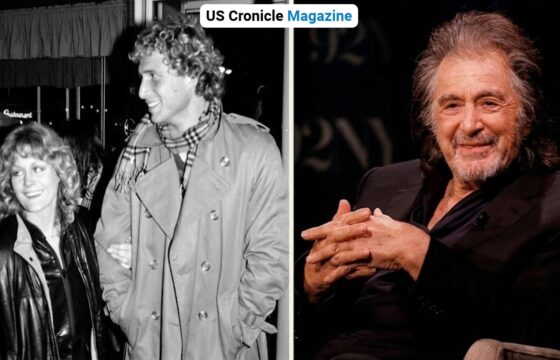
Baxter Neal Helson is the biological father of Brandi Cyrus and Trace Cyrus, whose mother is Tish Cyrus. His name appears in a 1998 Tennessee appeals court ruling about visits with his son. The case gives a rare, direct record of the family’s early life.
In this article, we look at the family ties, the court’s decision, and Trace’s later words about being adopted by Billy Ray Cyrus. We also explain why the legal record tells a more careful story than the short profiles that often follow this family.
The family before the Cyrus name became famous
Helson and Tish were together before she married Billy Ray Cyrus. They had two children, Brandi and Trace. Both children later used the Cyrus name and became known for work of their own. Their story starts before Miley Cyrus rose to fame.
Brandi went on to work as a DJ and media host. Trace found an audience as a musician. Their careers help explain the interest in Helson, but they are not proof of claims about his job, wealth, or life today.
One point is easy to miss in family charts. Helson is the children’s biological father. Billy Ray later became their adoptive father. Those facts can both be true. They describe different ties in a family that changed over time.
The legal record starts in Kentucky
The clearest public source about Helson is a court case called Helson v. Cyrus. The Tennessee Court of Appeals gave its decision on October 14, 1998. The case dealt with a child’s visits with his father, not a full review of the family’s history.

The judges said a court in Boyd County, Kentucky, had issued an order on May 22, 1992. It gave the mother primary custody and set times for the father to see the child. Later orders made some changes to those visits.
The family later moved within Tennessee. By 1997, there was a dispute about how visits should work. Helson asked a court to enforce the old order. That request led to a new hearing and, in time, the appeal.
What each parent asked the court to do
The trial court had said the child could refuse visits if he did not want to go. It also told Tish to arrange a private phone call between the child and his father once each week. Both parts of that order came under review.
Helson challenged the rule that let the child decide about visits. Tish challenged the phone call rule. The appeals court had to judge those issues under the law. It was not asked to settle every family concern.
The distinction matters. A court can hear hard stories about family life yet rule on a narrow point. Reading only the result, without the question before the judges, can make the case sound like something it was not.
Why the appeals court changed the visit rule
The judges said a child’s wishes can matter when a court sets visits. Yet they found that the child’s choice alone could not control whether an existing visit order would take effect in this case.
They reversed the part of the order that left visits up to the child. They kept the weekly private phone call rule. This meant the appeal had a mixed result. The father won on the visit issue, while the call rule stayed.
The published court opinion gives the dates and legal reasons. It does not say Helson lost all rights as a parent. Claims that it did so change the meaning of the ruling.
The case also shows why custody and visits are not the same thing. The mother had primary custody under the earlier order. That did not, by itself, end the father’s right to the visits set by the court.
Why the name Trace mattered
One detail in the ruling is personal. The child wanted to be called Trace. His father had used Neal. The judges urged the father to respect the name the child wanted others to use.
A name can be a large part of how a child sees himself, above all when his home life is changing. The court saw the dispute as part of the strain between father and son. It did not turn the name into a claim about the child’s whole future.
Years later, Trace Cyrus became a name known to music fans. The court case offers a rare look at an earlier stage. It helps explain why readers may see both Neal and Trace in accounts of the same person.
Trace’s later account of adoption
Trace grew up in the wider Cyrus family after Tish and Billy Ray formed a household. Billy Ray became an important father figure in his life. Trace later spoke of being adopted by him, using words that came from his own experience.
In January 2025, Trace wrote a public message to Billy Ray. He said the day he was adopted was among the happiest of his life. The message also spoke about the state of their bond at that time.
E! News covered Trace’s January 2025 message and Billy Ray’s response. The report is a source for what Trace said, not a legal record of the date of adoption.
That timing is worth keeping clear. The 1998 case shows Helson’s legal role during the 1990s. Trace’s 2025 words describe a later family bond. Neither source gives a full account of all events between those dates.
Brandi Cyrus has her own public career
Brandi is Trace’s older sister. She has worked in music, on screen, and in podcasts. Her work has often put her near the Cyrus family name, yet it also reflects her own projects and interests.
Her public career is not a guide to Helson’s work. A parent can be linked to a famous child without sharing that child’s job or fame. It is best to keep those stories apart rather than guess about his part in her career.
That same rule helps with family history. Brandi and Trace share biological parents. Their later home life involved Billy Ray and their siblings. Both parts of the story matter, but neither should erase the other.
Trace Cyrus and his work in music
Trace is known for his work with Metro Station. The group reached a broad pop audience with its song Shake It. He later made music under his own name as well.
Those music credits belong to Trace. They should not be used to claim that Helson played in the group or worked on its songs. A family tie is not a music credit, even when the people share a last name.
The gap between the 1998 ruling and Trace’s music career is also important. A court case from childhood cannot tell us why an adult chose a sound, a band, or a stage name. His work needs to be judged on its own record.
A simple timeline of the known events
In 1992, the Kentucky court set custody and visit terms. In 1997, Helson sought to have those terms enforced in Tennessee. In October 1998, the appeals court ruled on the visit and phone call issues.
In the years that followed, Brandi and Trace built public lives under the Cyrus name. In January 2025, Trace spoke about Billy Ray and recalled his adoption. These are separate points in a long family story.
A timeline keeps the order straight. It also helps avoid a common error: treating a later statement about adoption as proof that the 1998 court case had ended all of Helson’s rights. The ruling says no such thing.
What the court case does not establish
The court opinion is strong proof for the dates and legal steps it records. It is not proof of Helson’s current home, job, income, or private ties. Those topics need other sound sources.
It is also not a fair way to judge a whole person. A court may record different accounts from parents and witnesses. Its task is to decide the legal issue, not to write a complete portrait of everyone named in the case.
Some sites turn this family story into a tale with clear heroes and villains. The public facts call for more care. We can explain what the judges did without turning a child’s past distress into a form of entertainment.
The difference between a parent and a public figure
Helson became a name people search because his children joined a famous family. Yet he did not become a public performer through that link. Most of the known events concern his role as a father during a past family dispute.
That is why a sound account gives more space to the court’s actual ruling than to guesses about his wealth or life now. The case is a firm record. A list of unproved personal details is not.
The story also belongs to more than one person. Tish, Brandi, Trace, and Billy Ray each have their own lives and views. No one document can speak for them all. Keeping that limit in mind leads to a fairer account of Helson.
What readers should take from this history
Baxter Neal Helson’s place in the Cyrus family is clear in two ways. He is Brandi and Trace’s biological father, and he was a party to a 1998 court appeal about visits with his son. Those facts stand on a public legal record.
Trace later spoke with warmth about being adopted by Billy Ray, even while raising concerns about their bond in 2025. That account adds a later chapter. It does not replace the facts of the earlier court case.
The best way to read this family history is to follow the dates, separate legal findings from personal memories, and give each person room for a life beyond a headline. It makes the story more useful and more true.
Frequently asked questions
Who is Baxter Neal Helson?
He is the biological father of Brandi Cyrus and Trace Cyrus and a former partner of Tish Cyrus. A 1998 Tennessee appeals court ruling names him in a case about visits with his son.
What happened in Helson v. Cyrus in 1998?
The appeals court reversed a rule that let a child alone decide whether visits would take place. It kept an order for weekly private phone calls.
Is Baxter Neal Helson Trace Cyrus’s biological father?
Yes. Trace later spoke publicly about being adopted by Billy Ray Cyrus, but Helson is his biological father.
Did the court end Helson’s rights as a father?
No. The 1998 ruling reversed one limit on visits and left a phone call rule in place. It did not announce an end to all parental rights.
You may also read: Haley Giraldo: Pat Benatar’s Daughter, Age, Music, and Family